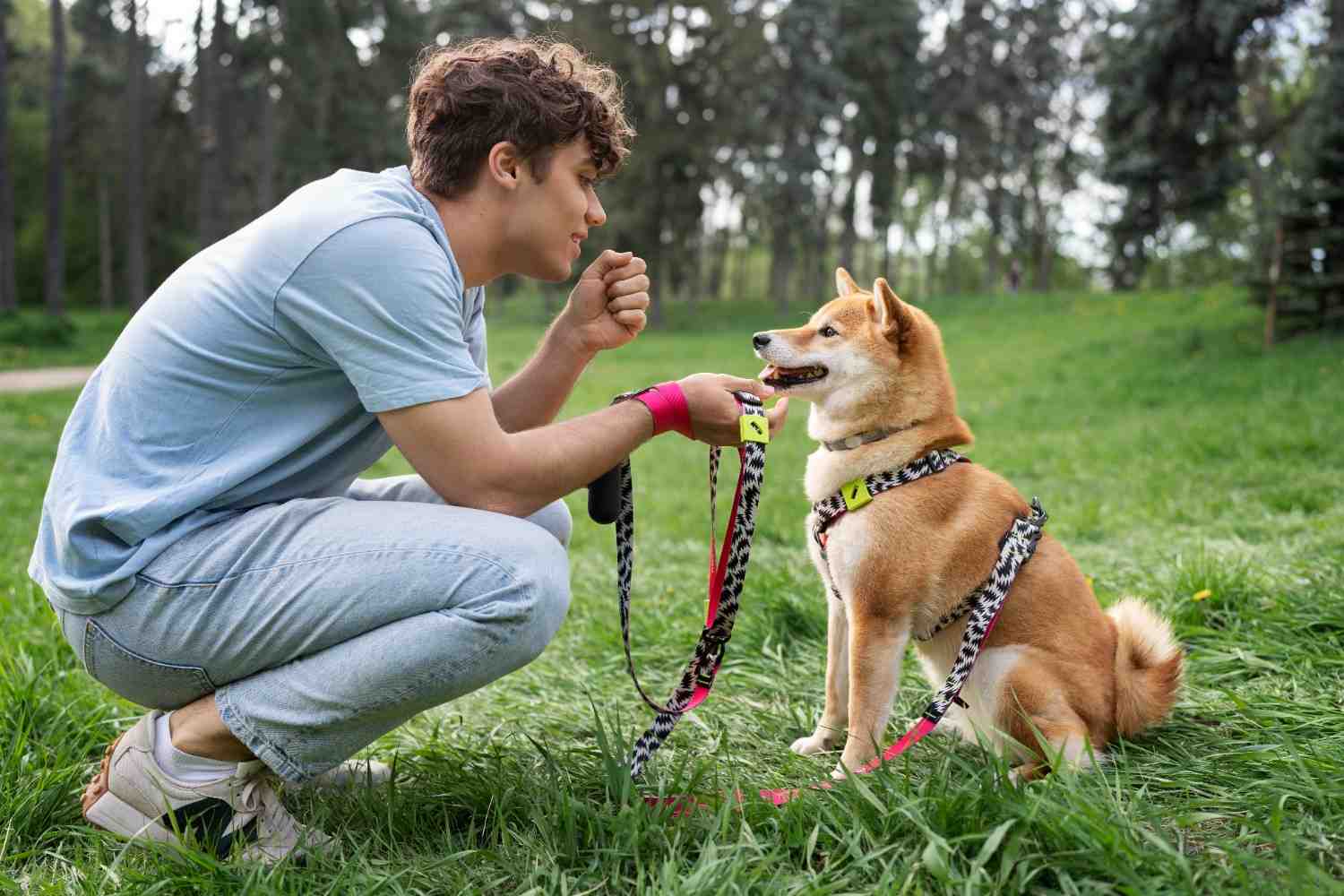
Dog Behavior Training: A Niche Approach for Lasting Results
Communication skills, instincts, and psychology of your dog. An approach based on specialization provides personalized training programs for different breeds, environments, and lifestyles, with emphasis on specific problems.
Understanding the Source of Dog Behavior
Whether good or bad, there is always an underlying reason behind any dog behavior. Good training focuses on finding out these causes, not simply dealing with the symptoms:
Fear and anxiety (typical for adopted dogs)
Lack of mental engagement (energetic breeds)
Poor socialization in their early days
Inconsistent practices within the household
Specialized Training Techniques for Behavior Correction
Behavior Modification Training
This strategy aims at modifying negative behaviors such as destructive chewing, excessive barking, and aggression. Some techniques include:
- Positive reinforcement based on rewards
- Desensitizing the dog to the fear factor
- Counter-conditioning, which modifies emotions associated with specific stimuli
Training Techniques Based on Breed
The instincts of various breeds differ. For example:
- Herding dogs require structured tasks.
- Guard dogs should have minimal contact with other dogs.
- Companion dogs benefit from bonding exercises.
- Breeding-specific training enhances faster learning and reduces stress.
Conditioning of the Environment
Dogs react to their environment quite intensely. Establishing a controlled environment is beneficial.
- Minimize interruptions while training
- Encourage peaceful conduct at home
- Clearly define your boundaries
Simple changes like designated rest areas or structured feeding times can significantly impact behavior.
The Role of Consistency and Timing
Consistency forms the basis of canine behavioral training. It is important to deliver commands, reinforcements, and corrections promptly. Slow responding dogs become confused and learn much slower.
- A structured daily routine that includes:
- Learning exercises
- Playtime
- Resting periods
ensures proper development of the dog physically and mentally.
Advanced Training for Challenging Behaviors
In cases where the problem involves:
- Separation anxiety
- Resource protection
- Leash reactivity
more advanced training techniques, such as systematic desensitization and shaping, are necessary. Patience and professional help may be required at times.
The Benefits of a Niche-Based Training Method
In contrast to general training techniques, niche-based dog behavior training:
- focuses on particular behavioral issues
- adjusts to the environment and personality of the dog
- yields more dependable and quicker outcomes
In order to ensure long-term behavioral change, professional services like Pet Heart Fits concentrate on developing training plans that are specifically tailored to each dog's needs.
Concluding Remarks
Rather than being a one-time event, dog behavior training is an ongoing process. Dog owners can develop disciplined, content, and well-adjusted companions while strengthening their relationships with their pets by concentrating on specialized, niche-based tactics.

